Cameras that tell you the story of what's happening.
Most cameras record. Some draw boxes. Pixonn watches every feed and describes, in plain
language, what is actually going on, while it is going on. The AI does the watching;
people supervise.
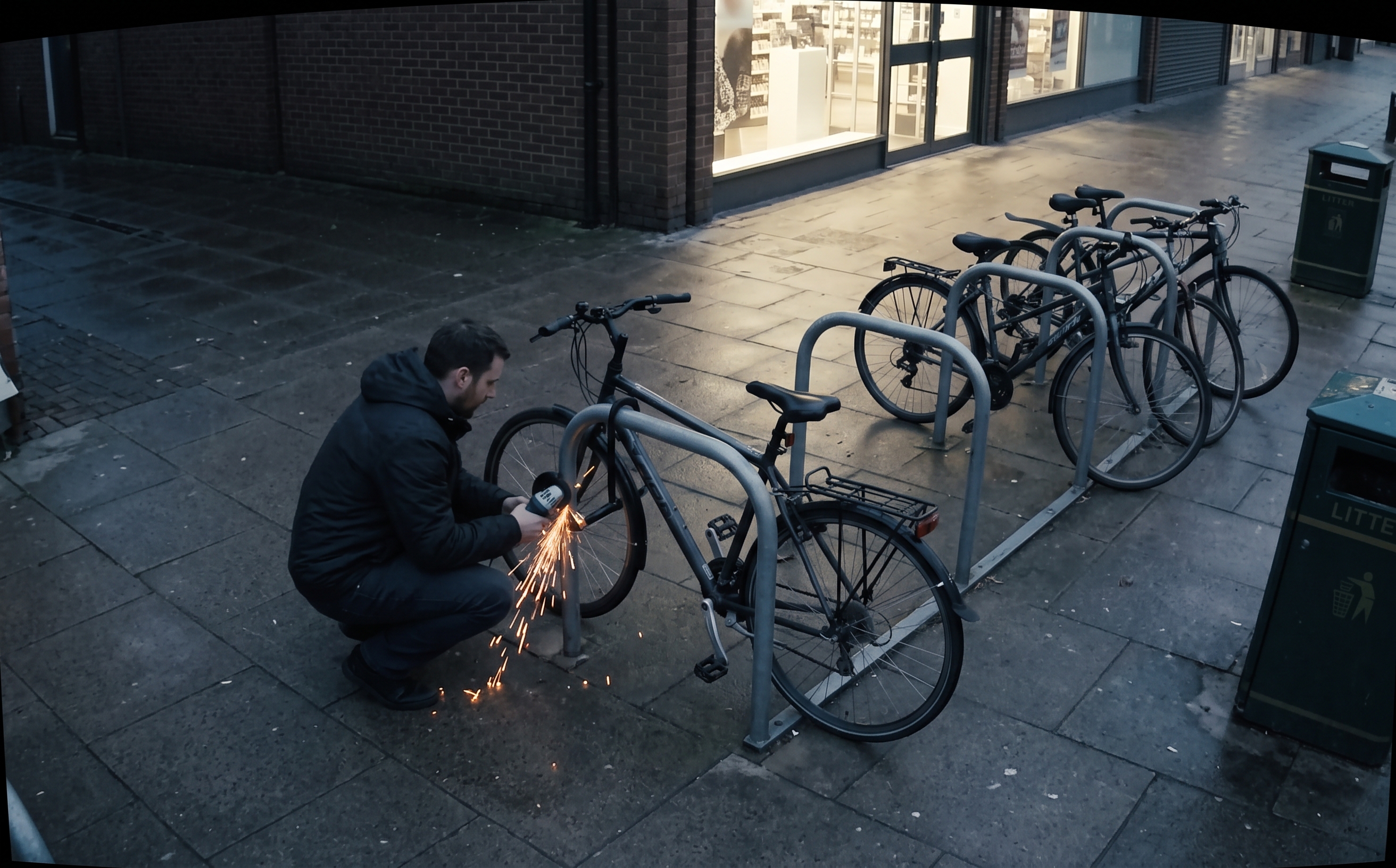
A man in a dark jacket walks up to the bike rack outside the shop.
He crouches beside a grey bicycle. He did not arrive on it.
He takes a handheld tool from his jacket. It is an angle grinder.
Sparks at the rack. He is cutting the lock.
ALERT · Theft in progress. Operator notified.
CAM_01 · STORE ENTRANCELIVE
Pixonn · narrating Illustration
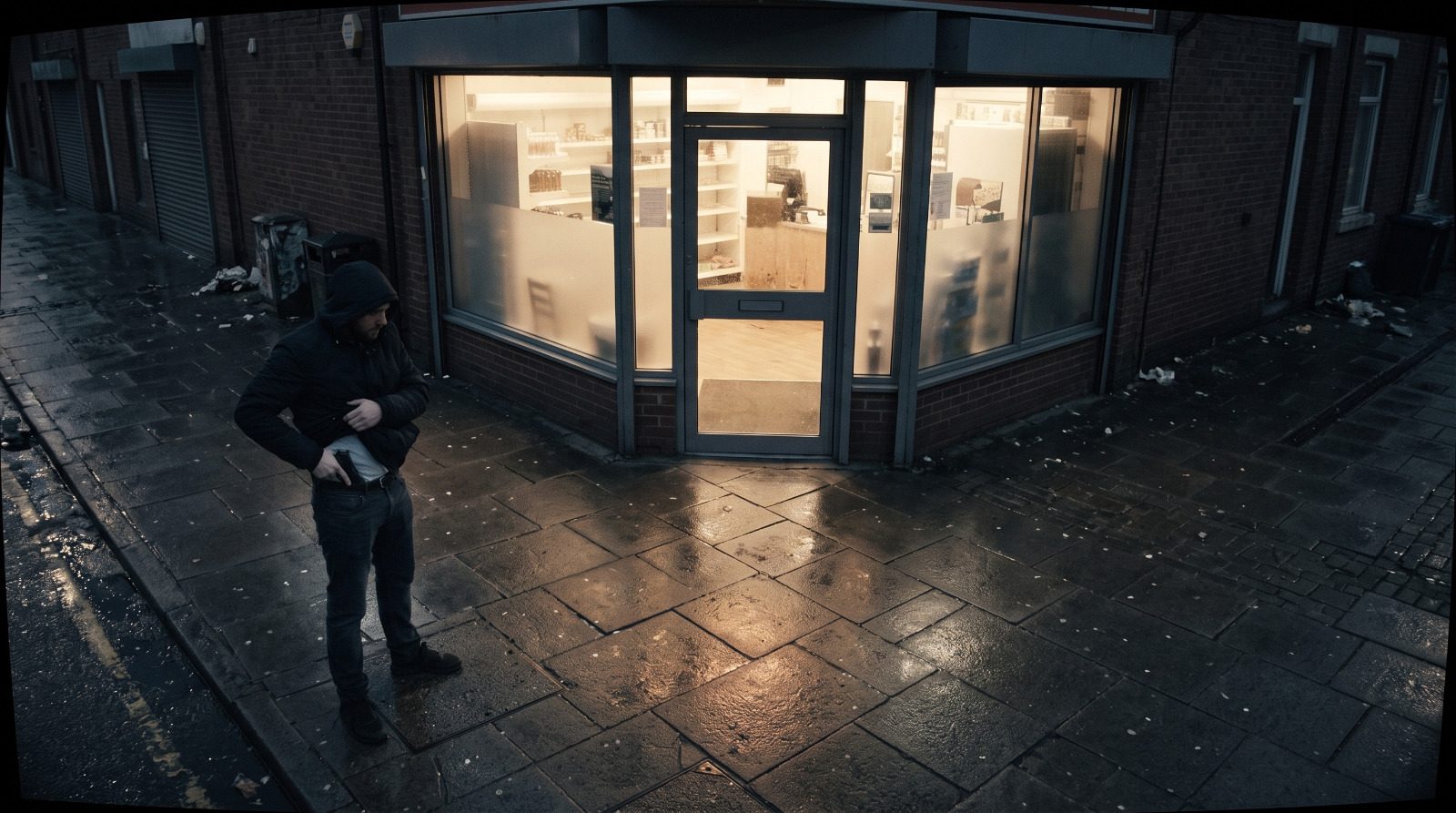
A man has been standing to the left of the entrance for two minutes without going in.
He adjusts his jacket. A handgun is tucked into his waistband.
ALERT · Handgun seen outside the store. Checked a second time before sending.
CAM_11 · MALL SHOPFRONTLIVE
Pixonn · narrating Illustration
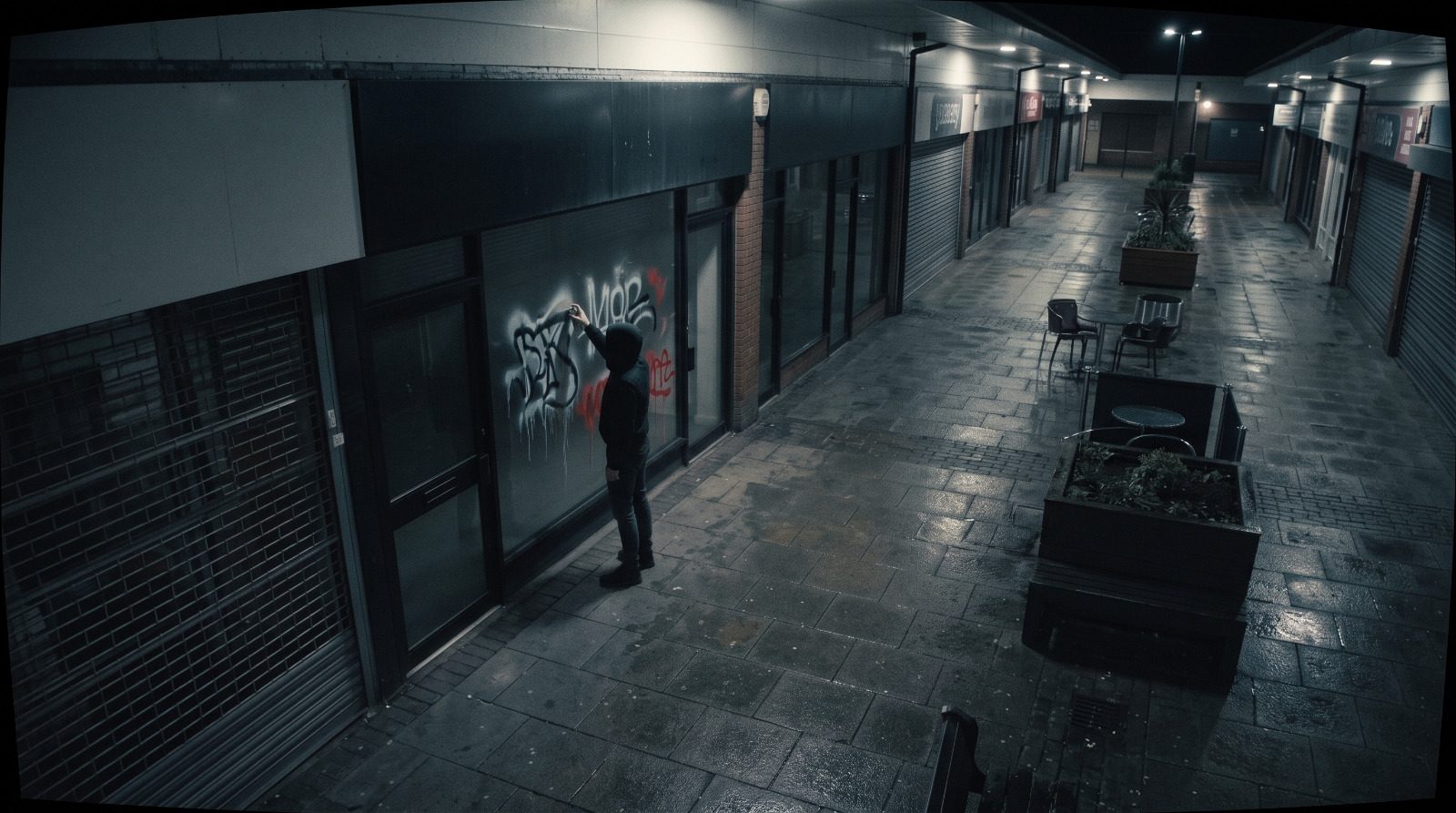
A person in a hooded top stops at a shop window. The mall closed two hours ago.
They are spray-painting the glass.
ALERT · Vandalism in progress at the shopfront.
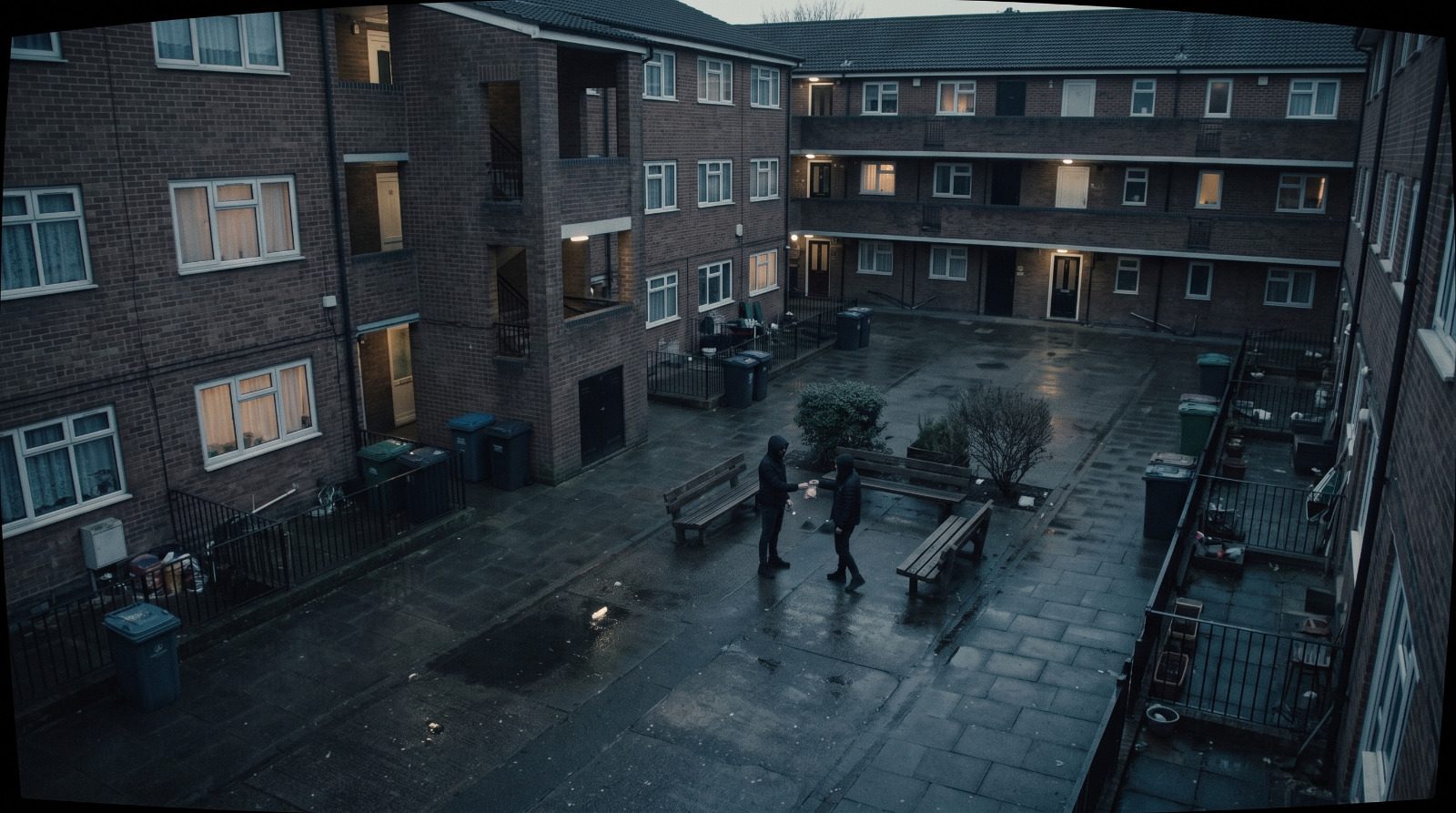
CAM_06 · COURTYARDLIVE
Pixonn · narrating Illustration
Two people meet by the benches. Neither came out of the building.
One hands over a small package and takes something in return. They leave in opposite directions.
FLAG · Brief package exchange in the courtyard. Third this week at this spot.
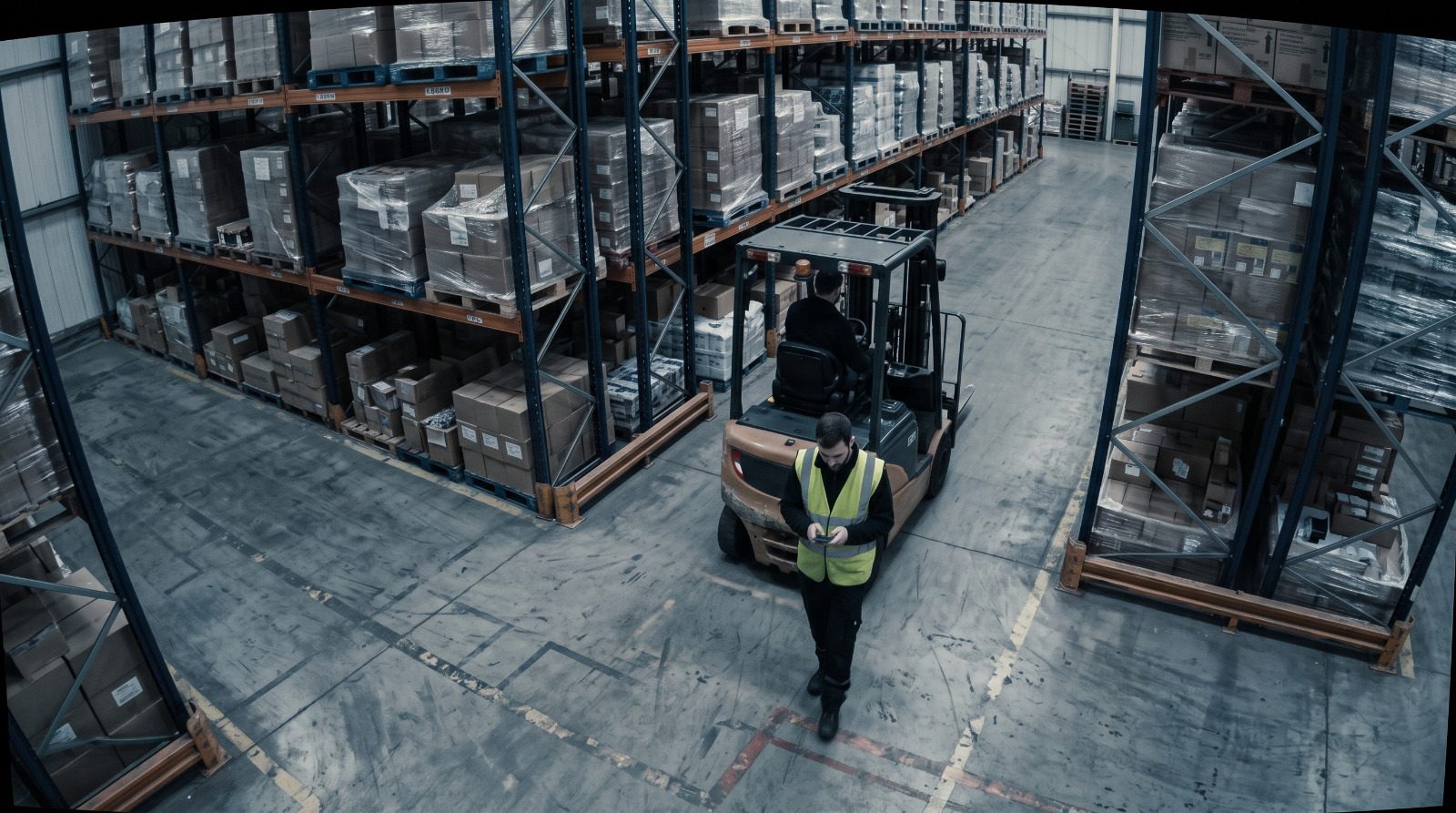
CAM_15 · WAREHOUSE AISLE BLIVE
Pixonn · narrating Illustration
A forklift is reversing out of aisle B. A worker is walking behind it, looking down at his phone.
The forklift is operating too close to the worker. Its driver isn't wearing a hard hat.
SAFETY · Near miss in aisle B. Logged for the shift supervisor.
Cameras everywhere, nobody watching.
Video is the most underused asset an organization owns. It gets pulled up after
something has gone wrong, and rarely while there is still time to do anything about it.
Millionsspent on cameras nobody watchesThe hardware is everywhere. The attention is not.
Petabytesof footage stored and never viewedWritten to disk, kept for a while, then overwritten.
After the factis when video gets usedIt rarely prevents a bad outcome. It mostly documents one.
01
People can't watch it all
One operator, a wall of feeds, a long night. Human attention does not scale to a fleet of cameras.
02
Analytics only know a fixed list
Today's alerts are limited to perimeter protection and a set of pre-trained object types. Anything else goes by unnoticed.
03
Investigations mean scrubbing
Finding one moment means dragging through timelines by hand, so the operational and security insight in that footage stays locked up.
A label is not a story.
Take the cycle-store frame at the top of this page. Here is what each kind of system has to say
about it.
A recorder
Says nothing
[ recording ]
The footage is there if someone reports a bicycle missing and has the time to go looking.
Conventional analytics
Names the objects
person 0.94 bicycle 0.88
Both are permitted here. No rule matches, so nothing is raised. The tool in his hand isn't in its vocabulary.
Pixonn
Tells you what is happening
Alert · Theft in progressA man is cutting a bicycle lock with an angle grinder. Crouched at the rack for 40 seconds, sparks visible, bicycle not his on arrival.
Nobody anticipated this scenario or wrote a rule for it. The output is a sentence an operator can act on.
Why it can do that: Pixonn is built on vision-language models. They understand a
complete scene, the behaviour of the things in it and how those things interact, and
they describe all of it in rich, ordinary language.
As it happens, and on demand.
The same understanding of every scene drives both alerting and search. You
describe what matters in a sentence instead of picking from a menu.
As it happens
Alerts arrive as sentences, and you write the conditions yourself.
→ "Alert me if a fight breaks out."
Rule-based and prompt-based alerts, with no retraining
Severe events get extra scrutiny before they reach an operator, keeping false alarms low
On demand
Search weeks of footage the way you search the internet.
→ "Someone wearing a red shirt carrying a small brown box."
Rich descriptions of people, objects and actions
Questions that span cameras: "Where did this person enter the building?"
The status quo
Human-managed, AI-assisted
An operator watches a wall of feeds while software flags a handful of pre-set events. Coverage is capped by how many screens one person can watch.
Pixonn
AI-managed, human-supervised
The system watches the whole fleet continuously and tells people what warrants their attention. It is an end-to-end system built for that, not an analytics layer bolted onto an existing one.
Team
Built by people who've shipped in this industry.
Pixonn pairs senior operating experience inside the video security industry with
hands-on engineering for AI that has to run on real hardware, in the field, over bad
connections.
Sean Weiss
Co-founder & CEO
Sean has spent his career leading engineering organizations, most recently as Head of Embedded Video AI
at Motorola Solutions — one of the largest players in video
security and access control. An entrepreneur and inventor, he leads Pixonn's strategy,
partnerships and commercial work.
Donovan is an embedded systems and edge-AI engineer who builds and maintains fleets of
connected devices in the field — firmware, on-device machine learning and the
unglamorous work of keeping hardware running over unreliable links. He leads Pixonn's
technical work and authored the patent-pending approach the product is built on.
We're speaking with investors and with security teams who want to follow what we're
building. Tell us a little about you and we'll come back to you quickly.
Investors
Currently raising. Deck and technical detail available under NDA.
Market
Security first. Then oil & gas, warehouses and industrial sites, and retail.